Prescription care, without the waiting room.
Get started
Compounded TirzepatideRx
Weekly GLP-1 + GIP injection.

Compounded SemaglutideRx
Weekly GLP-1 injection.

TadalafilRx
Generic Cialis®. Lasts up to 36 hours.

SildenafilRx
Generic Viagra®. Works in 30 minutes.

FinasterideRx
Generic Propecia®. Blocks DHT daily.

Hair Regrowth SprayRx
3-in-1 topical: finasteride + minoxidil + tretinoin.
Menopause Bone Loss: What Women Need to Know

Written by Jack & Jane Editorial Team
Published November 20, 2026
Key Takeaways
# Menopause Bone Loss: What Women Need to Know
If you have searched "why are my bones getting weaker after menopause" or "how to prevent osteoporosis after 50," you are asking exactly the right question at exactly the right time. Menopause bone loss is one of the most clinically significant — and most preventable — health shifts women experience in midlife. Understanding what drives it, how to measure it, and what options exist can make a meaningful difference in how your skeleton holds up for the decades ahead.
Why Menopause and Bone Loss Are Directly Linked
Bone is living tissue. Throughout your life, specialized cells called osteoclasts (cells that break down old bone) and osteoblasts (cells that build new bone) work in a continuous cycle of remodeling. Estrogen — specifically 17β-estradiol, the form your ovaries produce — acts as a brake on osteoclast activity, keeping breakdown from outpacing rebuilding.
When estrogen levels drop sharply at menopause, that brake releases. According to the National Institutes of Health (NIH) Office of Dietary Supplements, women can lose up to 20% of their bone density in the five to seven years following their final menstrual period. That rate of loss is significantly faster than the gradual decline seen earlier in life or in men of comparable age.
This accelerated phase is why clinicians focus so urgently on the perimenopausal and early postmenopausal window. Bone that is lost rapidly is bone that is harder to recover.
Understanding Osteoporosis: More Than "Thin Bones"
Osteoporosis (from the Greek for "porous bone") is a condition in which bone mineral density falls low enough that fractures can occur from minor falls — or, in severe cases, from everyday activities like bending or lifting. It is classified as a silent disease because there are no symptoms until a fracture happens.
A related and more common condition is osteopenia, which describes bone density that is lower than normal but not yet in the osteoporosis range. Think of osteopenia as a warning sign — an opportunity to intervene before a more serious diagnosis develops.
According to the Bone Health and Osteoporosis Foundation, approximately 10 million Americans have osteoporosis, and 80% of them are women. An additional 44 million have low bone density, putting them at increased risk. These numbers make osteoporosis in women one of the most prevalent skeletal conditions in the country.
The DEXA Scan: Your Baseline Measurement
The standard tool for measuring bone density is the DEXA scan (dual-energy X-ray absorptiometry). It is a low-radiation imaging test — typically of the hip and lumbar spine — that takes about 10 to 20 minutes and produces a T-score: a number comparing your bone density to that of a healthy young adult.
- A T-score of -1.0 or above is considered normal.
- A T-score between -1.0 and -2.5 indicates osteopenia.
- A T-score of -2.5 or below indicates osteoporosis.

The U.S. Preventive Services Task Force (USPSTF) recommends screening with a DEXA scan for all women aged 65 and older, and for younger postmenopausal women whose 10-year fracture risk is equal to or greater than that of a 65-year-old white woman with no additional risk factors. If you are in perimenopause or early postmenopause and have risk factors — family history of fracture, low body weight, smoking, or long-term corticosteroid use — discuss earlier screening with a licensed provider.
Estrogen's Role in Protecting Bone Density
Estrogen therapy (also called menopausal hormone therapy, or MHT) has the longest and most robust evidence base of any treatment for postmenopausal bone loss. It works by restoring the estrogen signal that normally suppresses osteoclast activity, effectively slowing the breakdown cycle.
A landmark analysis published in the [Journal of Bone and Mineral Research](https://pubmed.ncbi.nlm.nih.gov/) found that estrogen therapy significantly reduces the risk of vertebral and hip fractures in postmenopausal women. The FDA recognizes estrogen therapy as an approved treatment for the prevention of postmenopausal osteoporosis.
Estrogen can be delivered in several formulations. An estradiol tablet taken orally offers a convenient daily option. An estradiol patch delivers hormone transdermally (through the skin), which some research suggests may carry a different risk profile for blood clots compared to oral forms — a distinction worth discussing with a licensed provider who can weigh your complete medical history. Individual results vary, and the right formulation depends on factors specific to you.
It is important to note that hormone therapy decisions involve a nuanced benefit-risk conversation. The American College of Obstetricians and Gynecologists (ACOG) recommends that women and their providers individualize that conversation based on age, time since menopause, symptom burden, and personal and family medical history.
Non-Hormonal Strategies That Support Bone Health
Estrogen is not the only lever available. Several lifestyle and nutritional strategies have strong evidence behind them and are appropriate for most women, with or without hormone therapy.
Calcium and vitamin D work together as the raw material and absorption catalyst for new bone. The NIH recommends 1,200 mg of calcium daily for women over 50, and 800–1,000 IU of vitamin D daily, though a licensed provider may adjust these targets based on your bloodwork. Food sources — dairy, leafy greens, fortified foods — are preferable to supplements when achievable.
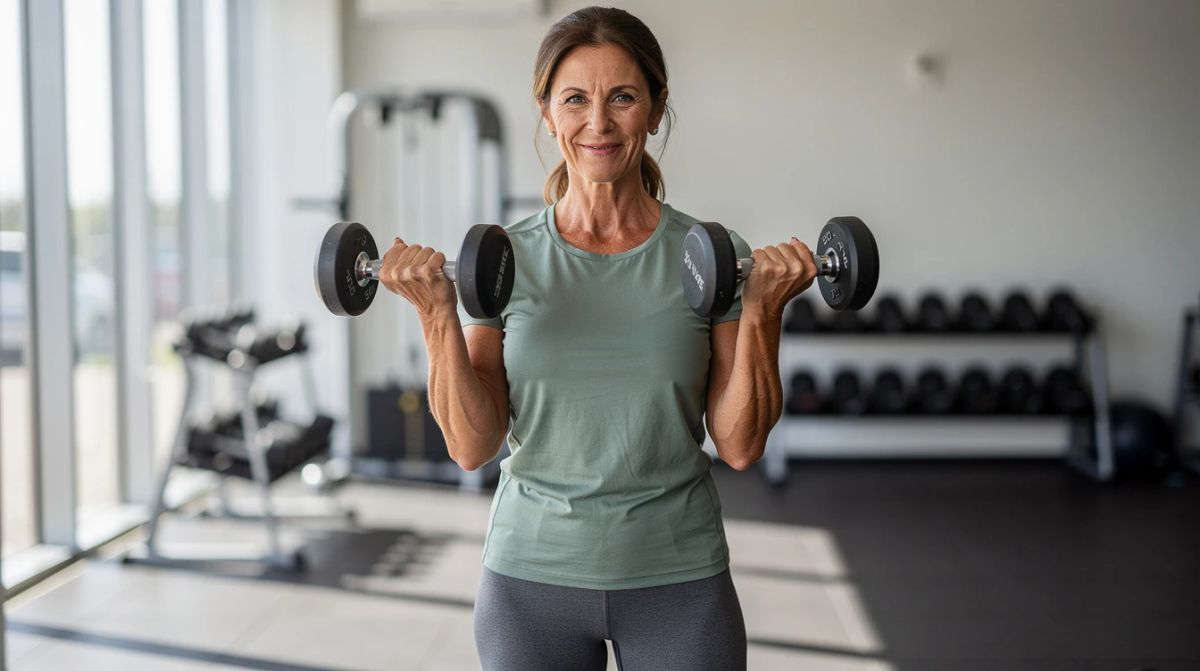
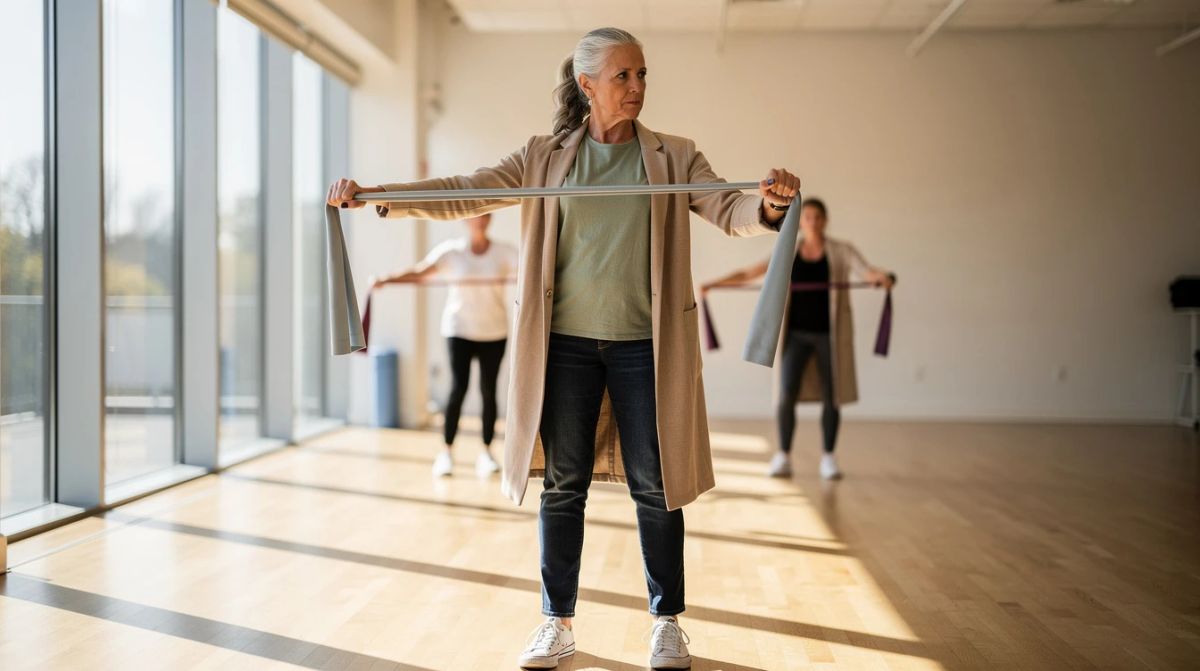
Resistance and weight-bearing exercise are among the most potent non-pharmacological tools for bone maintenance. Bone responds to mechanical load by stimulating osteoblast activity. According to peer-reviewed research published in [Osteoporosis International](https://link.springer.com/journal/198), progressive resistance training in postmenopausal women produces measurable improvements in bone mineral density at the hip and spine. Walking, strength training, hiking, and dancing all qualify as bone-stimulating activities.
Smoking cessation and moderation of alcohol are also clinically relevant. Smoking accelerates bone loss directly, and heavy alcohol intake interferes with calcium absorption and increases fall risk.
For women who cannot or choose not to use estrogen, pharmacological options such as bisphosphonates (alendronate, risedronate), denosumab, and raloxifene exist and are prescribed by licensed providers based on fracture risk scores and individual health profiles.
Where Jack & Jane Fits
Jack & Jane is a technology platform that connects women to independent, licensed providers and an independent, state-licensed pharmacy. It is not a pharmacy and not a medical practice.
For women navigating menopause bone loss, the platform offers a structured care pathway that starts with a comprehensive medical intake. Independent, licensed providers on the platform can evaluate your symptoms, review relevant labs or imaging, and — where clinically appropriate — prescribe estrogen therapy in the formulation that suits your situation.

Two options available through Jack & Jane's independent pharmacy partner:
- **Estradiol tablet** — a daily oral estradiol option for women seeking straightforward, once-daily dosing.
- **Estradiol patch** — a transdermal patch changed on a schedule (typically twice weekly), delivering estradiol directly through the skin.
Both are brand-name or compounded formulations prepared by state-licensed pharmacies in accordance with FDA regulations. Compounded medications are not FDA-approved; they are prepared for individual patients based on a prescription from a licensed provider. A licensed provider determines which option, if any, is appropriate for you after a complete medical intake.
What to Do Next
Step 1: Know your numbers. If you are 65 or older, or postmenopausal with risk factors, ask a licensed provider about scheduling a DEXA scan. A T-score is the starting point for any meaningful conversation about treatment.
Step 2: Audit your calcium and vitamin D intake. Track your dietary intake for a week. If you are consistently below 1,200 mg of calcium daily, talk to a licensed provider about whether supplementation is appropriate for you.
Step 3: Add resistance training to your weekly routine. Aim for two to three sessions per week that include weight-bearing movement. A certified fitness professional can help design a program appropriate for your current fitness level.
Step 4: Start a provider conversation. If you are in perimenopause or postmenopause and have not yet discussed bone health, hormone therapy, or fracture risk with a licensed provider, now is the time. You can begin that conversation through Jack & Jane's intake process and connect with an independent, licensed provider who can evaluate your individual picture.
Sources
- Calcium — Health Professional Fact Sheet — NIH Office of Dietary Supplements
- Osteoporosis Fast Facts — Bone Health and Osteoporosis Foundation
- Osteoporosis: Screening — U.S. Preventive Services Task Force
- Menopause Medicines to Help Ease Your Symptoms — FDA
- Hormone Therapy — American College of Obstetricians and Gynecologists
- Osteoporosis International — Springer
- Vitamin D — Health Professional Fact Sheet — NIH Office of Dietary Supplements
This article is for educational purposes only and is not medical advice. A licensed provider determines what is appropriate for you after a complete medical intake.
References
- [Osteoporosis Fast Facts — Bone Health and Osteoporosis Foundation](https://www.bonehealthandosteoporosis.org/patients/what-is-osteoporosis/overview/)
- [Osteoporosis: Screening — U.S. Preventive Services Task Force](https://www.uspreventiveservicestaskforce.org/uspstf/recommendation/osteoporosis-screening)
- [Menopause Medicines to Help Ease Your Symptoms — FDA](https://www.fda.gov/drugs/postmarket-drug-safety-information-patients-and-providers/menopause-medicines-ease-your-symptoms)
- [Hormone Therapy — American College of Obstetricians and Gynecologists](https://www.acog.org/womens-health/faqs/hormone-therapy)
- [Osteoporosis International — Springer](https://link.springer.com/journal/198)
- [Vitamin D — Health Professional Fact Sheet — NIH Office of Dietary Supplements](https://ods.od.nih.gov/factsheets/VitaminD-HealthProfessional/)
- This article is for educational purposes only and is not medical advice. A licensed provider determines what is appropriate for you after a complete medical intake.*
Share this article

Ready to start your journey?
Complete your free online visit and see if GLP-1 treatment is right for you.
Get Started